
The Uncertain Future of the Variable Interest Entity
For decades, the variable interest entity (VIE) structure has been the golden ticket for Chinese technology companies seeking access to global capital markets. This complex legal workaround enabled foreign investors to pour billions of dollars into restricted sectors of the Chinese economy, fueling the rapid rise of internet giants like Alibaba and Tencent. However, the regulatory climate in Beijing is shifting dramatically. Caixin reports that Chinese securities regulators are increasingly scrutinizing and expressing skepticism toward offshore listing structures, casting a long shadow over the IPO paths of the country’s most promising artificial intelligence startups.
This cooling sentiment toward VIEs is forcing a fundamental reassessment of how the next generation of Chinese tech champions will fund their growth. The uncertainty surrounding the approval process for companies utilizing these structures is prompting leading AI firms to weigh the significant costs and complexities of either preserving their existing VIE arrangements or dismantling them entirely in favor of more direct, onshore-compliant structures. This regulatory pivot threatens to reshape the landscape of venture capital investment in China’s critical AI sector.
StepFun’s Strategic Pivot Toward Direct Listing
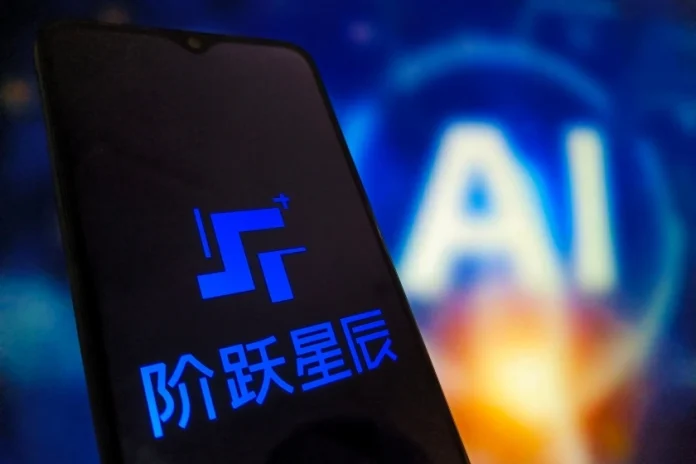
The shifting regulatory winds are already prompting preemptive action from major players. StepFun, widely considered a strong contender to become one of China’s next major listed AI companies, has taken decisive steps to align with the new reality. On April 3, 2026, the company converted its Shanghai-based entity into a joint-stock company. This structural reorganization is widely interpreted by industry analysts as preparation for a direct H-share listing on the Hong Kong Stock Exchange, a move that would likely require terminating its existing VIE structure to satisfy regulatory requirements.
Despite the company’s lack of official comment, StepFun’s maneuver suggests a strategic calculation that the regulatory hurdles associated with a VIE are now too high to justify the benefits. The company is reportedly targeting an initial public offering by the end of the year. By opting for a direct listing, StepFun aims to streamline its approval process with the China Securities Regulatory Commission (CSRC), prioritizing regulatory certainty over the traditional, albeit increasingly fraught, offshore funding route.
Moonshot AI’s Complex Restructuring Dilemma
While StepFun has moved swiftly, other prominent AI startups face a far more complicated path. Moonshot AI, another leading player in the generative AI space, is reportedly deliberating the dismantling of its VIE structure. However, executing such a restructuring is fraught with immense logistical and financial challenges. The complexity stems from the sheer scale and intricate nature of Moonshot AI’s existing capitalization table, which involves a massive influx of foreign capital through offshore special purpose vehicles (SPVs).
The founder of Moonshot AI, Yang Zhilin, holds a commanding 78.968% stake in the onshore entity. Conversely, the company has raised a staggering $2.2 billion offshore from a consortium of heavyweight investors, including Alibaba, Tencent, HongShan, Xiaohongshu, and Meituan. Dismantling the VIE would require complex, potentially contentious renegotiations over investor exits, redemption rights, and stock options. Reconciling the interests of these powerful offshore backers with the demands of onshore regulators presents a formidable obstacle that could significantly delay or complicate Moonshot AI’s path to the public markets.
The Broader Implications for China’s AI Ecosystem
The CSRC’s heightened scrutiny of VIE structures is not an isolated policy shift; it reflects Beijing’s broader strategic objective of asserting greater control over its domestic technology sector and ensuring data security. By discouraging offshore structures, regulators aim to bring the country’s most valuable and sensitive technological assets, particularly those developing foundational AI models, under closer domestic supervision. This aligns with ongoing efforts to manage cross-border data flows and mitigate potential national security risks posed by foreign ownership of critical infrastructure.
However, this regulatory tightening carries significant risks for China’s AI ecosystem. The sector is highly capital-intensive, requiring massive investments in computing power and talent. If traditional avenues for accessing global venture capital are constricted, Chinese AI startups may find themselves increasingly reliant on domestic funding sources that may not have the same depth or risk appetite as their international counterparts. The resolution of the VIE dilemma for companies like StepFun and Moonshot AI will serve as a critical bellwether, signaling whether China can successfully balance its desire for regulatory control with the imperative of fostering a globally competitive artificial intelligence industry.