
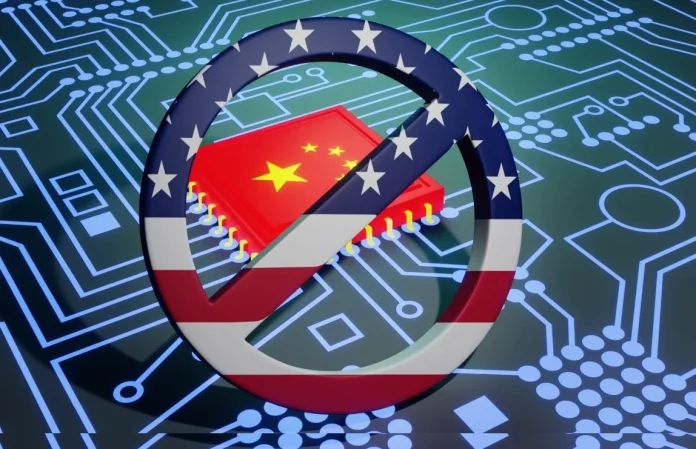
The US Federal Communications Commission (FCC) has proposed expanding its crackdown on Chinese-made electronic equipment, seeking to bar the continued import of gear from manufacturers previously flagged as national security risks. The proposal targets telecommunications and video surveillance equipment made by Huawei, ZTE, Hytera, Hikvision, and Dahua—companies that were added to the FCC’s “Covered List” in 2021.
In November 2022, the US telecoms regulator decided not to authorize the import or sale of new models from these Chinese companies. The new proposal goes a step further, seeking comment on whether to prohibit the continued importation of equipment that was approved for sale in the US before the 2022 order. The FCC stated it has tentatively concluded that prohibiting the continued importation and marketing of previously authorized equipment is necessary to mitigate risks to the US communications sector.
The proposed expansion would allow Americans to continue using already-purchased communications equipment, but the regulator noted it could bar importation as soon as an order is finalized to prevent a rush of new devices entering the country. This action follows a series of recent FCC moves targeting Chinese technology, including a December ban on imports of all new models of Chinese drones and a recent ban on new models of Chinese-made consumer routers. Hikvision has previously challenged the FCC’s decisions in court, arguing the agency exceeded its authority.
This latest regulatory push reflects a deepening bipartisan consensus in Washington regarding the perceived threats posed by Chinese technology deeply embedded in US infrastructure. The focus has shifted from merely preventing future vulnerabilities to actively excising existing risks. The inclusion of video surveillance giants like Hikvision and Dahua is particularly notable, given their widespread use in both public and private sectors across the United States.
The implications for the targeted Chinese companies are severe. While they have already faced significant headwinds in the US market, a total ban on the importation of even previously authorized equipment would effectively sever their remaining revenue streams in the country. This move also sets a precedent that could be adopted by allied nations, further isolating these firms from lucrative Western markets.
For US businesses and consumers, the proposed ban presents a complex set of challenges. Many organizations rely on cost-effective equipment from these Chinese manufacturers, and the sudden inability to procure replacements or upgrades could lead to significant operational disruptions and increased costs. The FCC’s proposal acknowledges this reality by allowing the continued use of already-purchased equipment, but the long-term trajectory is clear: a forced transition away from Chinese technology.
The broader geopolitical context cannot be ignored. This regulatory action is part of a wider strategy of technological containment aimed at curbing China’s influence in critical sectors. As the US-China tech war intensifies, the definition of “national security risk” is expanding to encompass a growing array of technologies, from 5G networks and AI accelerators to consumer routers and security cameras.
The response from Beijing is likely to be forceful, potentially involving retaliatory measures against US technology firms operating in China. This tit-for-tat dynamic threatens to further bifurcate the global technology ecosystem, creating parallel supply chains and standards. For multinational corporations, navigating this increasingly fragmented landscape will require sophisticated risk management and a deep understanding of the evolving regulatory environment in both Washington and Beijing.
Ultimately, the FCC’s proposal represents a significant escalation in the ongoing effort to decouple the US and Chinese technology sectors. By targeting the continued importation of previously authorized equipment, the US is signaling its determination to comprehensively address the perceived vulnerabilities associated with Chinese technology, regardless of the short-term economic disruptions it may cause.